
The House of Neucu (1873 – present)
In the age when the empires of Europe turned east toward the steppes, a family of Carpathian merchants bore a mark known as the Tamga Neucu — a symbol carved into ledgers, gold ingots, and horse saddles alike. The mark combined the rotating solar wheel of Slavic craftsmen, signifying the eternal return of fortune, with the double-headed eagle of Byzantium, guardian of balance between the material and the spiritual.
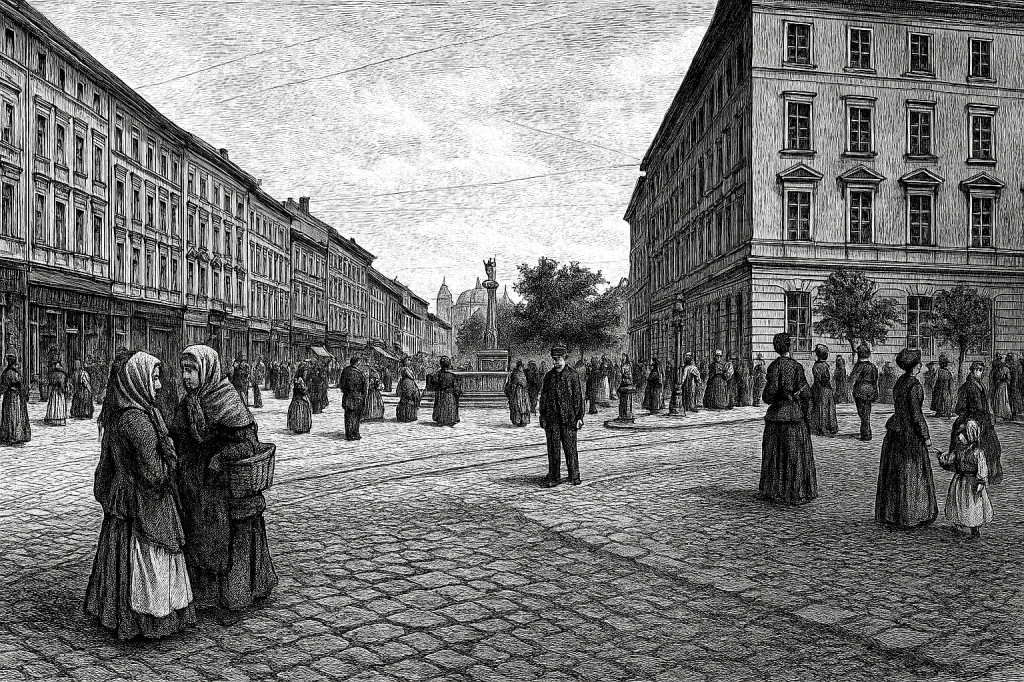
From their first exchange house in Lemberg (Galicia), the Neucu family financed caravans crossing the Danube and Black Sea trade routes, providing letters of credit to merchants from Vienna to Constantinople. Their reputation was founded not on size, but on discretion, trust, and multi-generational stewardship of assets.
Through wars and border shifts, the mark endured — etched into signet rings, embossed upon wax seals, whispered through alliances. It became less a family name and more a philosophy of continuity, where capital was not mere currency, but a covenant between generations.

In the modern age, the Neucu legacy re-emerged as a global investment house, reviving the original crest and its guiding triad:
- Fides et Fortitudo – Faith and Fortitude
- Lux per Laborem – Light through Labour
- Aeternitas per Ordinem – Endurance through Order
Today, NEUCU carries forward this lineage into the world of structured finance and sustainable capital — the same discipline that once governed the old counting-houses of the Danube, now applied to the modern engines of energy, infrastructure, and human enterprise.
 NEUCU CAPITAL PARTNERS (NCAP)